 Signs & Large Format Print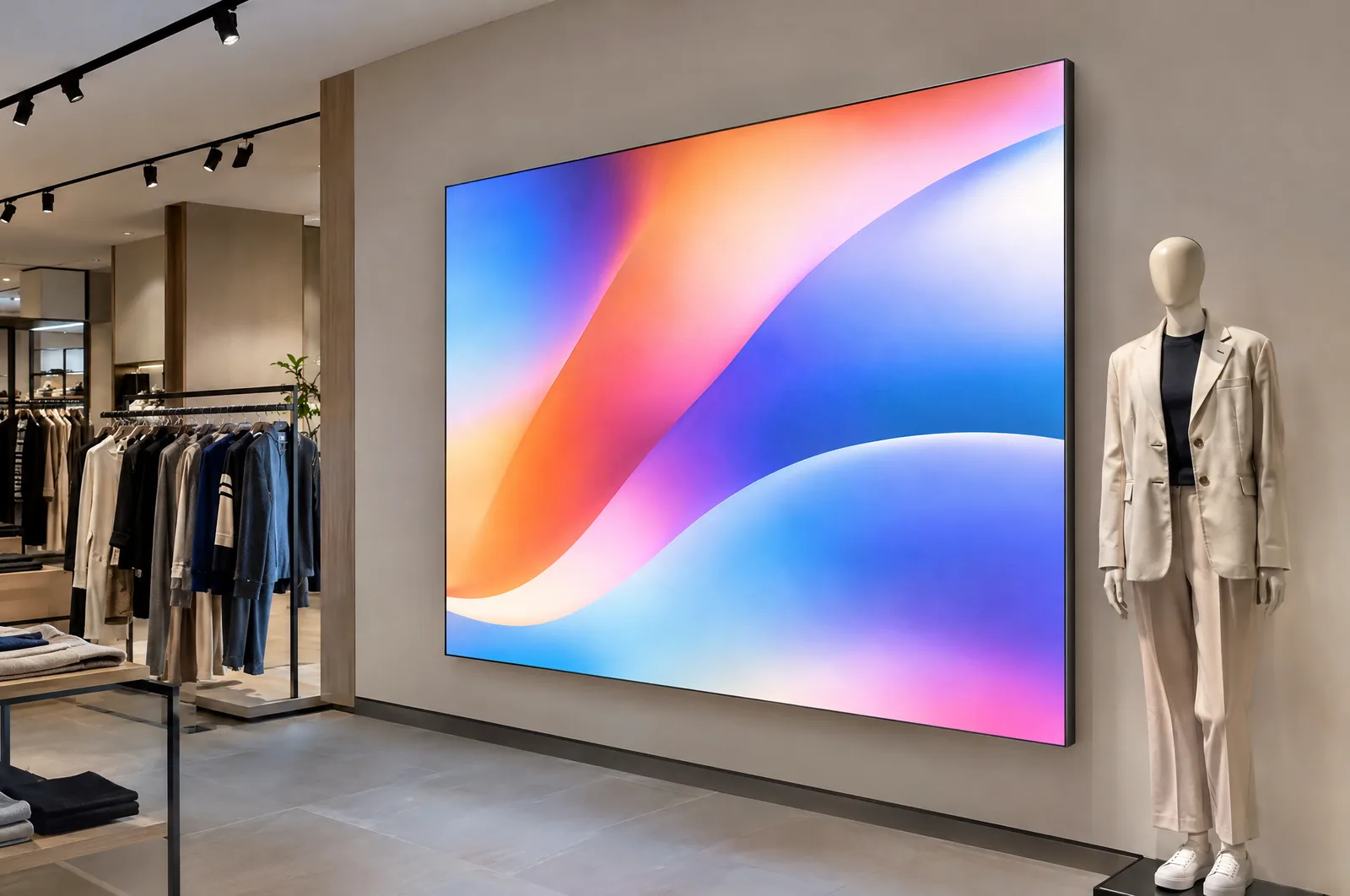
Why dye sublimation only works on polyester
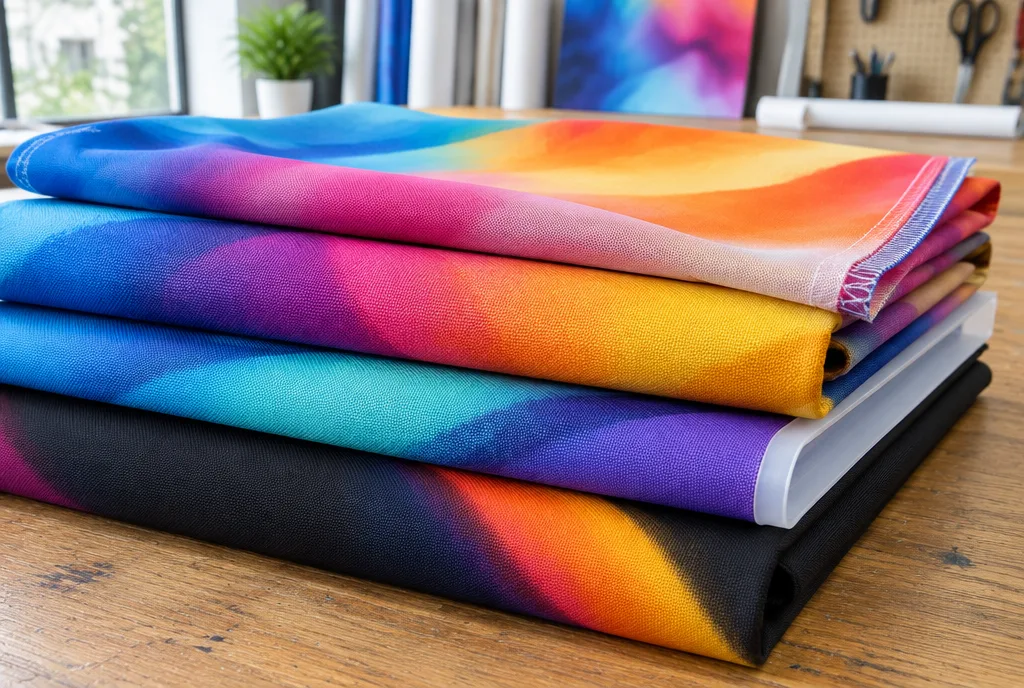
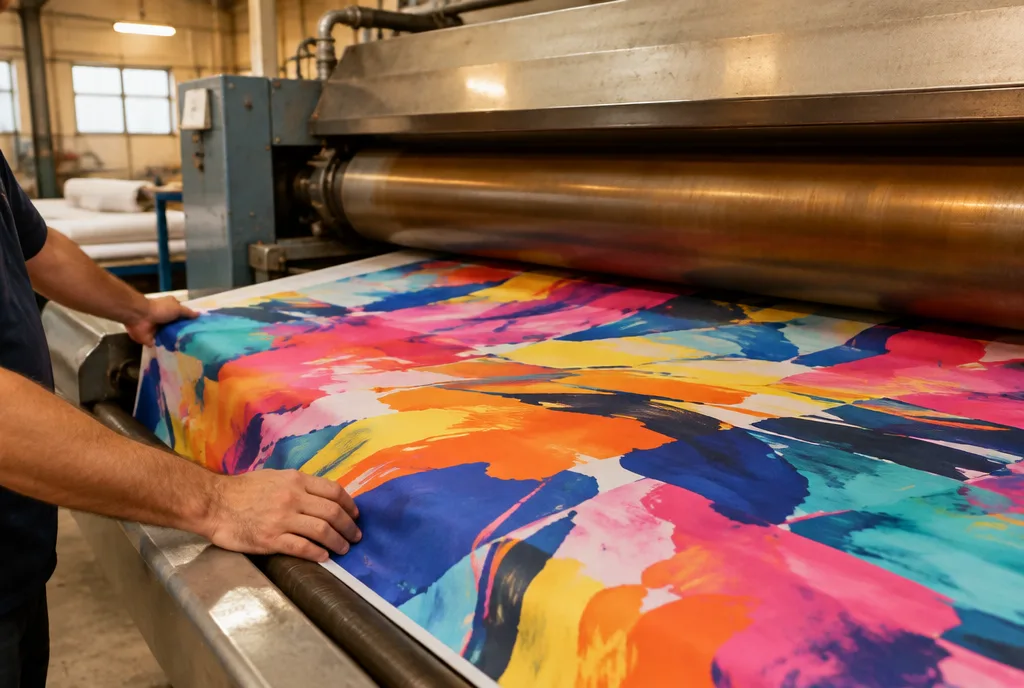
In dye sublimation the image is first printed on transfer paper, then in a calender or heat press the dye turns into gas at high temperature and penetrates the polyester fibres. Once cooled, it is locked inside the fibre. That is why the print does not form a layer on the surface – it does not crack, peel or change the feel of the fabric.
This only works with synthetic fibres, mainly polyester. On cotton, linen or viscose the dye has nothing to bond to, and the colours wash out after the first wash. Blends with a low polyester content give pale, washed-out colours. That is why all promotional sublimation fabrics are polyester – in different weaves and weights.
If you are wondering whether to choose sublimation or UV printing on textiles at all, see what is dye-sublimation printing and UV-printed or dye-sublimated flags. We have both technologies in-house, so we match them to the application.
The main fabric types
Flag knit (approx. 110 g/m²) – light, breathable, dries quickly and moves well in the wind. The dye shows through to the reverse at about 80%, so the flag is readable from both sides, mirrored on the back. Uses: flagpole flags, feather flags, bunting, pennants.
Display fabric / textile banner (approx. 210 g/m²) – denser, matt, with no glare from lights. It can be folded many times, because the dye does not crack on the fold. Uses: pop-up and hop-up displays, backdrops, printed tablecloths, stage decoration.
SEG fabric (approx. 220 g/m²) – fabric for aluminium frames, with a silicone edge strip sewn around the perimeter that is pushed into the groove of the profile. It must be dimensionally stable, because the graphic has to be tensioned without wrinkles. We sew the strip in our own sewing room.
Backlit fabric – specially woven to diffuse LED light from behind evenly. Sublimation gives very deep colour here when lit. Uses: illuminated fabric frames and light boxes.
Double-sided flag with blockout liner – two layers of fabric and a light-blocking liner. Each side can carry a different design, both reading the right way round.
Voile and chiffon – very light, semi-transparent. Uses: venue decoration, set design, screens, lightweight banners hung in space.
Weight, light transmission and fire rating
Weight tells you how much a square metre of fabric weighs. The higher it is, the denser the weave usually is, with better opacity and less show-through, but also more weight and wind resistance. A 110 g flag flutters even in a light breeze, while heavy display fabric on a flagpole would hang like a rag.
Light transmission matters in two situations. With a backdrop standing in front of a window, light fabric shows through and the frame becomes visible – then a denser fabric or one with a blockout back is better. In illuminated frames it is the other way round: the fabric must let light through, but evenly, without visible LED hotspots, and that is what backlit fabrics are for.
Fire rating is a frequent question from exhibitors and public venues. Many polyester fabrics have flame-retardant certificates under European or national standards, but requirements depend on the country, the venue and the trade show organiser. If you need a certificate, mention it in your enquiry – on request we check the availability of material with the relevant document.
Fabrics for illuminated and non-illuminated SEG frames
An SEG frame looks simple, but the fabric must meet several conditions at once: hold its size after printing and edging, tension tightly and not pucker at the corners.
- Non-illuminated frame – SEG fabric approx. 220 g, matt, opaque. It gives a flat, painted-looking surface with no glare. Details on the non-illuminated SEG fabric frames page.
- Illuminated frame – backlit fabric, often with an additional diffusing layer. We prepare the artwork with a correction for backlighting, because colours lit from behind look different from on screen. Details on the illuminated LED fabric frames page.
In both cases we calculate the graphic size to the millimetre for the frame profile. If you are replacing a graphic in a frame from another manufacturer, send us the exact internal profile size and a photo of a corner – we will ask about the rest. More about the system itself in SEG fabric frames explained.
Washing, ironing and colour durability
Because the dye is inside the fibre, sublimated graphics can be washed – a big advantage over surface printing. A few rules we pass on to clients:
- Wash at a low temperature (about 30°C) with a mild detergent and no bleach.
- Do not spin at high speed – especially SEG graphics with a silicone edge.
- Dry flat or on a hanger, away from radiators.
- Iron inside out at a low temperature, ideally through a cloth. Too hot an iron can change the shade, because the dye reacts to heat.
- Coated backlit fabrics and double-sided flags with a liner are better not machine-washed – wipe them with a damp cloth.
Sun resistance depends on exposure. A flag flying all year on a pole fades and frays faster than a backdrop used a few times a year at trade shows. We treat outdoor flags as consumables, and it is worth having a second set to swap.
How to match fabric to the application
| Application | Fabric | Indicative price | Notes |
|---|---|---|---|
| Flagpole flag, feather flag | Flag knit approx. 110 g | approx. €12–21/m² | Hemming and pole sleeve or snap hooks included |
| Flag with two different designs | Two layers + blockout liner | approx. €28–44/m² | Fully opaque, readable from both sides |
| Backdrop, display wall, tablecloth | Textile banner approx. 210 g | approx. €15–25/m² | Soft feel, does not crack when folded |
| Non-illuminated SEG frame | SEG fabric approx. 220 g | approx. €18–30/m² | Silicone edge sewing included |
| Illuminated frame or light box | Backlit fabric | approx. €20–32/m² | Deepest colour when lit |
| Decoration, set design, screen | Voile / chiffon | approx. €17–27/m² | Light, semi-transparent |
The lower rate in each range applies to larger areas, the higher to small orders of a few m². Prices are indicative and we confirm them once you contact us. When show-through to the reverse and a very soft feel are not needed (e.g. a single-sided backdrop), we often suggest cheaper and faster UV printing on fabric. Ready-made backdrops are on the fabric and media backdrop walls page.